Citadel
Warhammer Colour – Paints and Miniature Painting
Transform your Warhammer miniatures into unique models with the right paints and painting techniques. Warhammer Colour opens up a world of colours, shading, highlighting and special effects, allowing you to create your own distinctive colour schemes for Warhammer 40,000, Age of Sigmar and other tabletop miniature games.
Whether you're painting your very first miniature, preparing an entire army for the tabletop, or working on highly detailed display models, the right combination of base colours, shading and highlights will help you achieve the results you're looking for.
Explore a variety of miniature painting techniques – from traditional layering and quick painting with Contrast paints to drybrushing, airbrushing and creating realistic special effects.

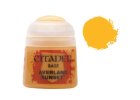
Create the main colour scheme for your miniatures. Highly pigmented, opaque paints provide a solid foundation for painting armour, weapons, clothing, vehicles and other parts of your models.
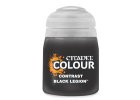
A fast and effective way to paint miniatures. These specially formulated translucent paints allow you to apply colour and natural shading in a single step over a suitable light-coloured undercoat.
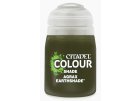
Add depth and bring out the details of your models. Shade paints settle into recesses, enhance surface textures and help create natural-looking contrast.
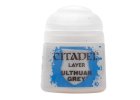
Highlight armour edges, faces, weapons and intricate details. Gradually applying lighter shades creates stronger contrast and gives your miniatures a more refined and detailed finish.
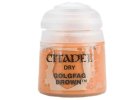
The drybrushing technique allows you to quickly highlight raised areas of your models. It is particularly effective for fur, stone surfaces, metallic textures, terrain and decorative miniature bases.
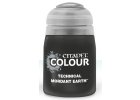
Enhance your miniatures with realistic blood, rust, mud, cracked earth and other textured effects. Specialised products add character to your models and help create impressive tabletop environments.
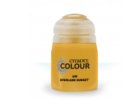
Airbrush painting allows you to create smooth, even coats, subtle colour transitions and quickly cover larger surfaces. Ideal for vehicles, monsters and painting entire armies.
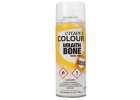
Proper model preparation is an essential step before painting. Primer sprays and other miniature primers help create a suitable surface for applying subsequent layers of paint.
For traditional miniature painting, we recommend following a simple process: Primer → Base → Shade → Layer → Details. Start by preparing your model with a suitable primer, then apply the main base colours. Use shade paints to define recessed areas and lighter colours to highlight edges and raised details. Finally, you can add technical effects, decorate the base or enhance smaller details. If you want to speed up the painting process, try using Contrast paints over a suitable light-coloured primer.