Brushes for Warhammer
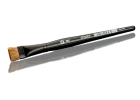
Brushes for base layers, details, drybrushing, washes, lining and weathering. The right brush size and shape significantly affects precision, speed and the cleanliness of the final result.
Show brushesWe use cookies to personalize content and ads, provide social media features, and analyze our traffic.
The right tools are the foundation of every hobby project. In this category, you will find equipment for building, cleaning, gluing, painting, airbrushing, working with details and organizing your workspace. Whether you are building your first Space Marines unit, assembling an Age of Sigmar army, preparing a Kill Team or refining a display model, good tools will save you time, frustration and unnecessary repairs.
This category is designed to be easy to understand for complete beginners and experienced modellers alike. You will find essential hobby equipment, brushes, glues, miniature holders, sanding tools, putties, cleaners, palettes, workstations and airbrush accessories.
Tools for Warhammer and plastic models are not just accessories. They are the difference between a model that is hard to clean, does not hold together well and is difficult to paint, and a model that is comfortable to work with from the first cut from the sprue to the final edge highlight.
Brushes for base layers, details, drybrushing, washes, lining and weathering. The right brush size and shape significantly affects precision, speed and the cleanliness of the final result.
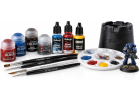
Show brushesPalettes, cups, cleaners, brush soaps, masking tapes and other accessories that make painting more comfortable and help maintain a cleaner workflow.
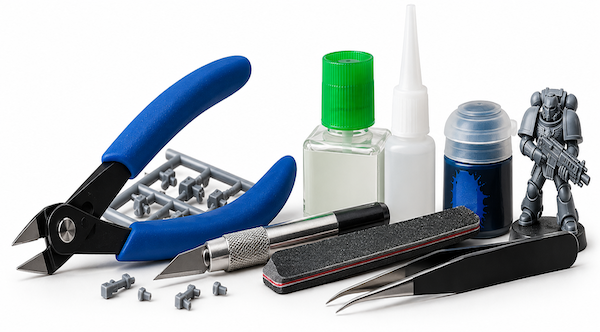
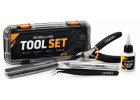
Show paintingGlues, tweezers, knives, sanding sticks, clippers, putties and other equipment for precise assembly of plastic miniatures, vehicles, monsters and terrain.
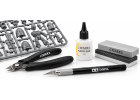
Show buildingPractical sets for getting started or expanding your hobby equipment. Ideal if you do not want to choose every tool separately and want to have the essentials together.
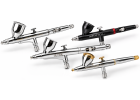
Show setsAccessories for spraying paints, smooth transitions, priming, effects and faster painting of larger models or entire armies.
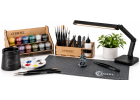
Show airbrushOrganizers, holders and workspace accessories that help keep paints, brushes and tools clearly arranged and within reach.
Show workstationsFor assembling plastic miniatures, the most useful tools are clippers for cutting parts from the sprue, a hobby knife, a sanding stick and plastic glue. Clippers separate parts more safely than breaking them off by hand, the knife cleans up leftover plastic and the sanding tool smooths sprue marks and small imperfections.
If you are assembling a model for the first time, do not rush. First dry-fit the parts together, check their orientation according to the instructions and only then glue them. With Warhammer models, it is often worth leaving some parts separate to make painting easier.
For your first painting projects, a few good brushes are enough: one larger brush for base layers, one smaller brush for details and ideally one older or dedicated brush for drybrushing. A water cup, palette, miniature holder and brush cleaner or brush soap are also useful.
The most common beginner mistake is paint that is too thick and a brush that is overloaded with paint. It is better to apply two thinner coats than one heavy coat that floods the details of the model.
Cut the parts from the sprue with clippers. Do not cut completely flush so you do not damage the part.
Clean leftover plastic, mould lines and imperfections with a knife or sanding stick.
Apply plastic glue sparingly. Place the part, hold it briefly and let the joint cure.
Prime the model, apply base colours, shade, layers, details and final effects.
Choose a brush based on the job you want to do with it. A large brush is not a mistake – for base layers, it is often better than a brush that is too small because it holds more paint and does not dry out as quickly. Use a small brush only for eyes, symbols, edges, weapons and tiny details.
For a good start, a combination of Base, Layer, Detail and Drybrush brushes works well. If you use Contrast or Shade paints, a brush with higher capacity is useful because it holds thinner paint and lets you spread it across the model in a controlled way.
Modelling is fun, but small parts, paints, brushes and tools can quickly turn into chaos. A workstation, organizer or simple paint rack helps you keep everything visible. Thanks to that, you spend less time searching, knock over fewer bottles and feel more motivated to return to an unfinished project.
A clear workspace is especially important for larger armies. Once you are painting several units at the same time, you need to keep the same shades, brushes and accessories within reach. Organization speeds up the whole process and helps maintain colour consistency across the entire army.
Maybe for a first attempt, but they are not ideal. Modelling clippers cut more cleanly, reach parts on the sprue more easily and reduce the risk of damaging small pieces.
For standard plastic miniatures, plastic glue is best. For resin, metal, magnets, bases or some terrain accessories, super glue is used.
Realistically, three to four are enough: a larger brush for base layers, a smaller one for details, one for shade/contrast and one for drybrushing. Over time, you can add specialized brushes based on your painting style.
It is not necessary, but it is very useful. It helps with fast priming, smooth transitions, larger models, vehicles and light effects. For a complete beginner, however, you can easily start with a brush.
Do not push paint deep into the metal ferrule, do not leave the brush standing in water tip-down, clean it regularly and reshape the tip after use. Brush cleaner or brush soap is worthwhile even for cheaper brushes.
Visit our store in Brno or send us a message. We will help you choose the right tools for your first model, a full army, detail painting, airbrushing or terrain building. We are truly dedicated to Warhammer and will gladly help you choose equipment that will not just sit unused in a drawer.
I want help choosing