Olejové barvy
Oil Paints – Shading, Weathering and Smooth Colour Transitions
Abteilung 502 oil paints are designed for detailed painting, tonal work and weathering of miniatures, vehicles, aircraft, ships and dioramas. One of their greatest advantages is their long working time, allowing you to gradually blend, mix and soften the paint while creating extremely smooth transitions.
The extensive colour range includes classic artists' shades as well as colours specifically developed for modelling effects such as dust, dirt, rust, fading, flesh tones and operational grime. This makes oils suitable not only for painting figures, but also for creating realistic ageing effects and visually unifying the surface of a model.
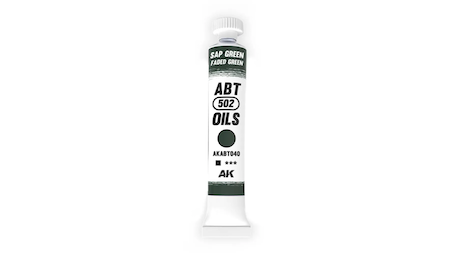
Oil paints dry more slowly than standard acrylics, giving you more time to blend them directly on the model. They are ideal for smooth shading, highlighting and soft transitions without harsh edges.
Shades such as Dust, Dark Mud, Starship Filth, Smoke and various earthy tones are ideal for creating dusty, dirty surfaces and other signs of use. The intensity of the effect can easily be adjusted with thinner.
Dark Rust, browns, oranges and other warm shades are ideal for creating rust, streaking effects and old, weathered surfaces. Combining several colours produces a more natural and deeper effect than using a single shade.
Basic Flesh Tone, Sunny Flesh Tone, Faded Flesh, Flesh Ocher and Flesh Shadow allow you to work with light and shadow on faces and skin. Their long working time makes it easier to create extremely smooth transitions.
A very small amount of oil paint can be blended into a thin transparent layer to subtly alter the tone of a surface. Several small dots of different colours can also be gradually blended to create irregular fading and natural colour variation.
Use a suitable thinner for thinning, blending and cleaning oil paints. It helps you create more transparent layers, soften transitions or remove excess paint, giving you greater control over the final result.
You do not need a large colour palette to get started. Choose a few shades based on the effect you want to create – for example, a dark brown for shadows and dirt, a light earthy tone for dust and fading, and a rusty shade for corrosion. Apply only a small amount of paint to the model and gradually blend, soften and merge it into the surrounding surface using a clean brush lightly moistened with a suitable thinner. Oils have a long working time, allowing you to develop and adjust the effect gradually until you achieve the desired result.


